Ⅰ. 서론 │ Introduction
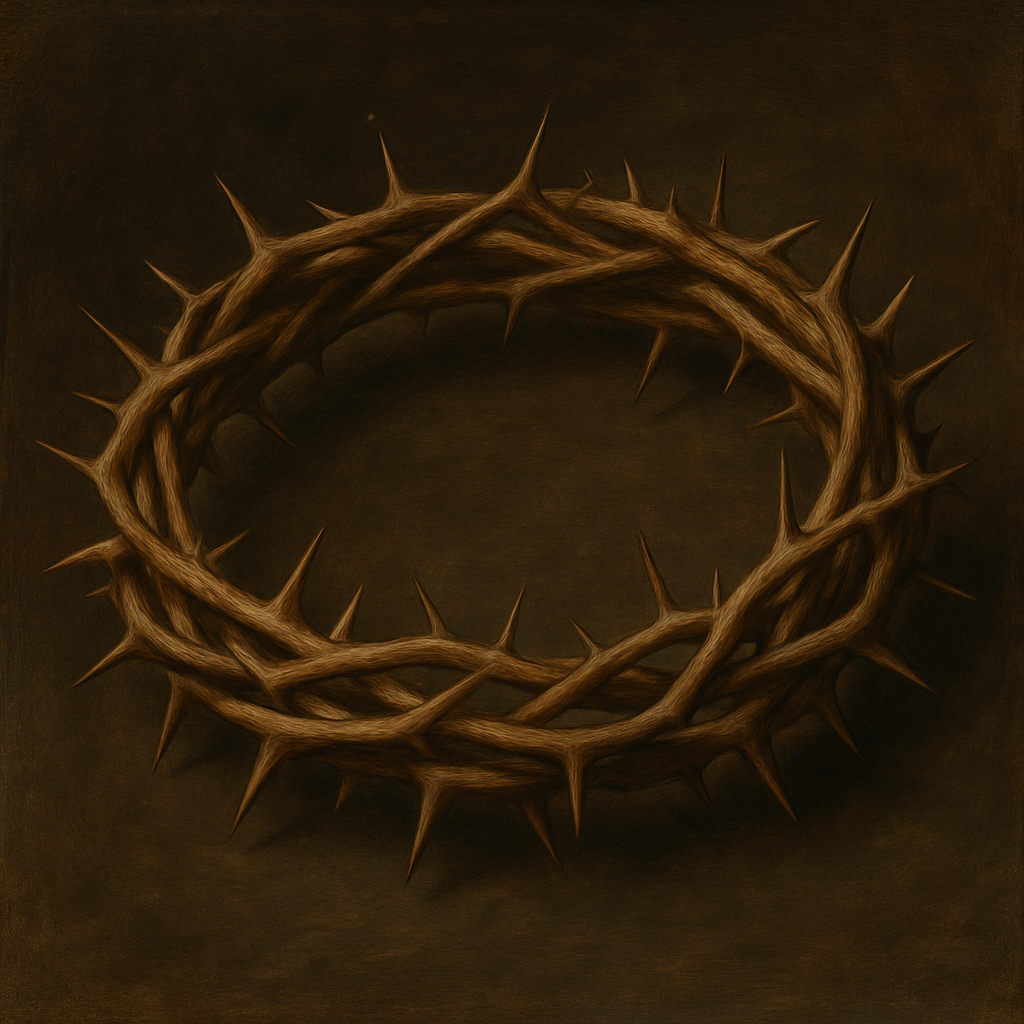
요한복음 19장의 가시관(στέφανος ἐξ ἀκανθῶν, stephanos ex akanthōn)은 예수 그리스도의 고난 가운데 매우 상징적 의미를 가진 사건임. 역사·문화·언어·고고학·성경 본문을 종합해 가시관과 관련된 여섯 가지 질문을 체계적으로 정리함.
Ⅱ. 가시관은 누가, 왜 만들었는가?
1. 누가 만들었는가?
- 역사적·문맥적으로 **로마 병사들(Roman soldiers)**이 직접 제조함.
- 본문: “군인들이 가시나무로 관을 엮어 그의 머리에 씌우고”(요 19:2)
2. 왜 만들었는가?
- 1차 목적: 조롱의 도구
예수를 “유대인의 왕”이라고 고발했기 때문에 병사들은 **왕관(Crown)**을 조롱 형태로 패러디함. - 2차 목적: 고통과 굴욕을 극대화
실제 왕관은 금으로 만들지만, 가시관은 고통을 주기 위한 반(反)왕관임.
Ⅲ. 죄수에게 가시관을 씌우는 것이 일반적이었는가?
결론: 일반적이지 않았음
- 로마 처형·고문 관행에서 죄수에게 가시관을 씌우는 행위는 기록상의 일반적 절차가 아님.
- 이는 예수에게만 적용된 특별한 조롱형 처벌임.
- 로마서·요세푸스·타키투스 등 1세기 기록을 종합해도 가시관을 범죄인에게 씌웠다는 관례는 나타나지 않음.
즉, 가시관은 예수를 왕으로 비웃기 위한 1회성 특별 조롱이었음.
Ⅳ. 가시관은 어떻게 만들었는가? (재료·방법·시간)
1. 재료
학자들은 다음 세 식물 중 하나로 보며 모두 팔레스타인에 흔함.
- 아칸소스(Acanthus spinosus) – 길고 단단한 가시
- 지그스(ziziphus spina-christi, 크리스토스 가시나무) – 전통적으로 “Christ Thorn”
- 로테(Lotus/Spina Christi)
특성:
- 굵은 줄기
- 길고 단단한 가시
- 엮기 쉬운 둥근 형태로 만들 수 있음
2. 제작 방식
- 병사들이 휘어진 가시 덩굴을 손으로 구부려 둥근 테를 만들고
- 여러 줄기를 교차·비틀어 관처럼 엮음
- 제작 시간은 길지 않음: 대부분 학자들은 수 분에서 10~20분 내로 추정함.
- 병사들이 도구 없이 급조해 만들었기 때문에 투박하고 거칠었음.
3. 효과
- 가시가 두피를 찌르면서 다수의 천공성 출혈(puncture bleeding) 발생
- 두피는 혈관이 많아 지속적인 출혈
- 심한 통증 + 어지러움 + 실신 위험 증가
- 가시 끝이 뇌막까지는 닿지 않지만 염증·감염 가능성이 높음
- 채찍질(요 19:1)과 결합해 쇼크를 극대화함
Ⅴ. 로마 병사들이 가시관을 씌운 이유
1. ‘왕’이라는 제목을 조롱하기 위함
예수가 자신을 “왕”으로 주장했다는 고발 내용(요 19:12)을 희화화하기 위해
‘왕관’을 가장 잔혹한 형태로 만들었음.
2. 권위 모욕
가시관 + 자색 옷(요 19:2) + 갈대로 만든 홀(마 27:29)은 모두
왕의 상징을 모조품으로 패러디한 풍자 처형 의식(Mock Coronation) 임.
3. 군사 문화적 맥락
로마 병사들은 종종 죄수에게 **게임처럼 조롱 의식(Mockery Ritual)**을 행하였음.
예수의 가시관 씌우기는 그 의식의 연장선임.
4. 사형 전 심리적·육체적 고문 강화
채찍질·가시관·조롱을 통해 심리적 굴욕을 주고
신체적 출혈을 증가시켜 사형 전 상태 악화 목적도 있었음.
Ⅵ. 구약에 나타난 ‘가시관’ 예언 구절
가시관이 직접적으로 묘사되는 구절은 없지만,
‘가시(thorn)’가 저주·수난·고통·피흘림과 연결되는 예언적 맥락은 여러 곳에 나타남.
1. 창세기 3:18
“땅이 네게 가시와 엉겅퀴를 낼 것이라”
- 인간의 죄로 인한 저주가 가시로 상징됨
- 예수의 가시관은 저주를 머리에 스스로 짊어지심을 상징함
- (신학적으로 가장 핵심적 예언 배경)
2. 이사야 53:5
“그가 찔림은 우리의 허물 때문이요…”
- 직접 가시는 아니지만 “찔림”의 고난 의식이 가시관 사건과 연결됨
- 신약 저자들과 교부들이 이 구절을 예수의 수난 전체와 결부시킴
3. 시편 22편 전체
“내 모든 뼈가 어그러졌으며… 그들이 나를 둘러싸고…”
- 십자가 수난 예언
- 가시관과 함께 조롱받는 장면과 연결됨
4. 미가 7:4
“…그들의 가시가 울타리보다 더하니…”
- 가시는 악함·심판적 이미지로 사용됨
5. 민수기 33:55
“…그들이 너희 옆구리의 가시가 될 것이며”
- 가시는 고통·저항·문제의 상징적 이미지
정리:
예언 성취는 “가시관 자체”가 아니라 **‘가시 = 저주’**라는 신학적 상징의 성취임.
예수께서 저주의 상징을 머리에 쓰셨다는 점이 창세기 3장 저주의 해결자라는 신학적 연결고리를 완성함.
Ⅶ. 결론 │ Conclusion 임
가시관은 로마 병사들이 예수를 조롱하고 고통을 더하기 위해 직접 제작한 것으로,그 당시 다른 죄수들에게 사용되던 일반적 관행은 아니었음.
팔레스타인 지역에서 흔한 가시 덤불로 짧은 시간 내 급조되었고 두피 출혈 및 극심한 통증을 유발하는 잔혹한 처벌 도구였음.
신학적으로는 가시 = 죄와 저주의 상징이라는 구약적 배경 위에서 예수께서 죄의 저주를 “머리로 짊어지신 사건”으로 해석되며
특히 창세기 3:18과 이사야 53장 전체가 예언적 배경임.
Ⅰ. Introduction
The crown of thorns in John 19 is one of the most symbolic elements of Christ’s Passion. Below is a structured explanation addressing all six questions using historical, cultural, linguistic, and biblical context.
Ⅱ. Who made the crown of thorns and why?
1. Who made it?
- Roman soldiers manufactured it directly.
- John 19:2 explicitly states they twisted a crown of thorns and put it on Jesus’ head.
2. Why did they make it?
- Primary reason: mockery.
Since Jesus was accused of claiming to be “King of the Jews,” the soldiers created a parody crown. - Secondary reason: intensifying physical pain.
Ⅲ. Was it common for Roman prisoners to be crowned with thorns?
Answer: No.
- There is no evidence in Roman punishment practices that criminals were routinely crowned with thorns.
- Historians agree this was a unique mock-coronation ritual done specifically to Jesus.
Ⅳ. How was the crown made? (Material, method, time)
1. Likely materials
Scholars commonly identify three plants native to Palestine:
- Acanthus spinosus
- Ziziphus spina-christi (traditional “Christ Thorn”)
- Lotus/Spina Christi shrubs
2. How it was made
- Soldiers bent thorny branches into a circular band, twisting multiple strands together.
- Time: a few minutes to 10–20 minutes.
- It was crude and hastily assembled.
3. Physical effects
- Multiple puncture wounds to the scalp
- Continuous bleeding
- Severe pain, dizziness, shock
- Increased risk of infection
Ⅴ. Why did the Roman soldiers put it on Jesus?
- To mock His kingship (“King of the Jews”).
- To perform a cruel mock coronation ritual accompanied by the purple robe and reed staff.
- As part of Roman-style ritual humiliation of condemned prisoners.
- To intensify pre-crucifixion torture.
Ⅵ. Old Testament prophecies connected to the crown of thorns
Although no verse explicitly predicts a “crown of thorns,” the symbolic meaning of thorns as curse and suffering forms the prophetic foundation.
1. Genesis 3:18
“Thorns and thistles it shall bring forth for you.”
- Thorns symbolize the curse of sin.
- Jesus wearing thorns signifies bearing the curse upon His head.
2. Isaiah 53:5
“He was pierced for our transgressions…”
- Points to the suffering that includes the thorn-piercing imagery.
3. Psalm 22
A comprehensive prophecy of the Messiah’s suffering, humiliation, and mockery.
4. Micah 7:4 / Numbers 33:55
Thorns symbolize pain, judgment, and hostility.
Summary:
The prophetic foundation lies not in predicting the object itself, but in the symbol of thorns as curse, which Jesus takes upon Himself.
Ⅶ. Conclusion
The crown of thorns was uniquely created by Roman soldiers as a tool of mockery and torture.
It was not a standard Roman practice, but an improvisation meant to ridicule Jesus’ kingship.
Made from local thorny plants, it caused severe bleeding and pain.
Theologically, it fulfilled the symbolism of the Old Testament where thorns represent the curse of sin, especially seen in Genesis 3 and Isaiah 53.
원하시면 가시관의 형태, 고고학적 식물 분석, 로마 고문 절차와의 비교, 요한복음 19장의 헬라어 원문 분석, 또는 **가시관의 신학적 의미(대속·왕권·저주·창세기 3장 회복)**도 더 깊게 정리해 드릴 수 있음.