1. 구약의 성막이란 무엇인가?
(1) 정의 및 히브리어 어원
- 성막(Tabernacle)은 히브리어로 מִשְׁכָּן (mishkan)이라 하며, 이는 “거처” 혹은 “거주하는 곳”을 의미함.
- 이 단어는 שָׁכַן (shakan), 즉 “거주하다, 머물다”라는 동사에서 파생되었으며, 하나님의 임재가 머무는 처소라는 뜻을 담고 있음.
(2) 성막의 성경적 배경
- 출애굽기 25장~40장에서 하나님께서 모세에게 상세한 성막의 설계도와 제도, 기구들을 계시하심.
- 출 25:8 “내가 그들 중에 거할 성소를 그들이 나를 위하여 짓되”
- 이 성막은 시내산에서 받은 언약의 구체적 시현이며, 하나님의 임재와 예배, 제사의 중심임.
(3) 구조와 구성
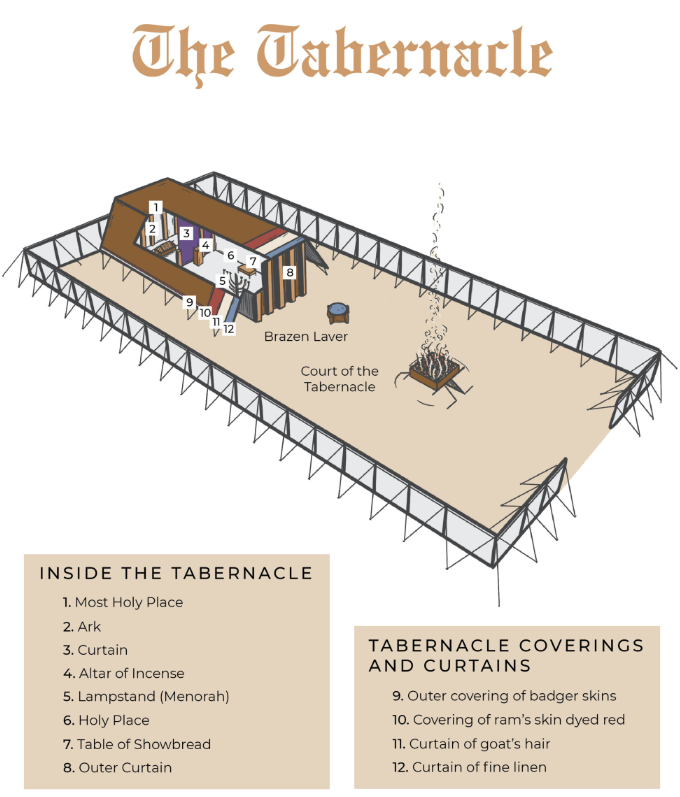
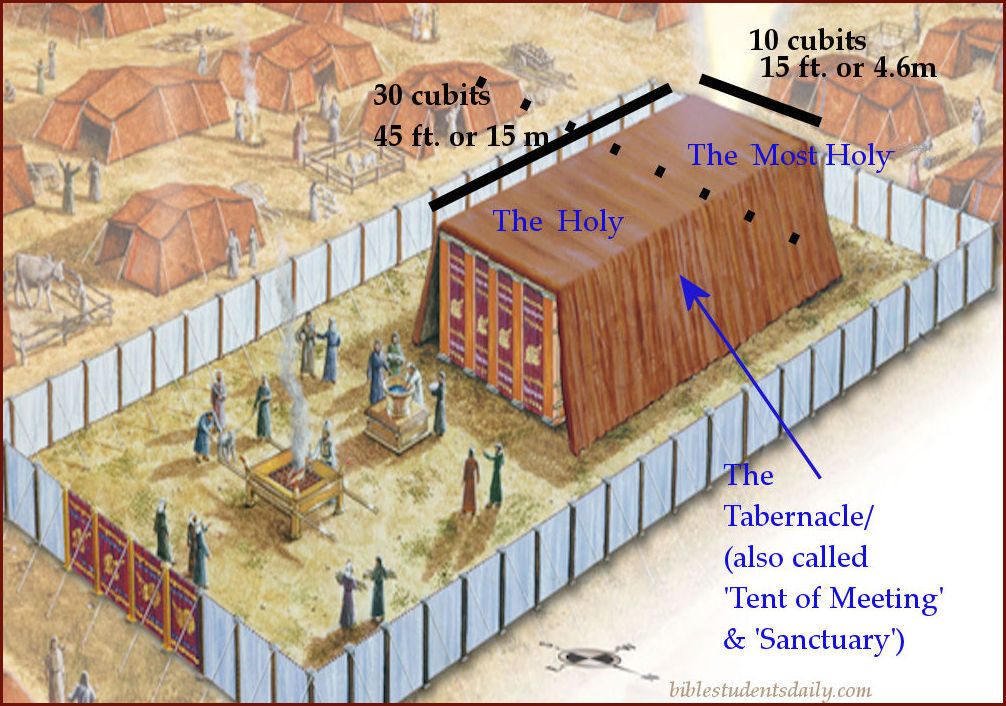
- 외부 뜰, 성소, 지성소의 세 구역으로 구성됨.
- 주요 기구들:
- 번제단, 물두멍 (외부)
- 등잔대, 진설병상, 향단 (성소)
- 언약궤, 속죄소(지성소)
(4) 목적
- 하나님께서 이스라엘 백성 가운데 거하시며, 율법과 희생제사에 따라 그들과 교제하시는 공간임.
- 속죄, 예배, 언약의 중심이며, 하나님의 거룩함과 백성의 죄 사이의 경계를 드러냄.
2. 성막과 예수 그리스도의 관계 (개혁신학적 관점)
(1) 성막은 그리스도의 모형임
- 히브리서 8:5 “저희가 섬기는 것은 하늘에 있는 것의 모형과 그림자라”
- 히브리서 9장은 성막과 제사제도를 설명하며, 이 모든 것이 장차 오실 그리스도의 모형(τύπος, typos)이라 증거함.
(2) 성막의 각 요소와 예수님과의 관계
| 성막 구성 요소 | 그리스도 예수와의 관계 (성경근거) |
| 언약궤와 속죄소 | 예수는 참된 속죄제물이며, 우리의 화목제이심 (롬 3:25, 히 9:5) |
| 등잔대 | 예수는 “세상의 빛”이심 (요 8:12) |
| 진설병상 | 예수는 “생명의 떡”이심 (요 6:35) |
| 향단 | 예수의 중보 기도가 성도들의 향으로 드려짐 (계 8:3–4, 히 7:25) |
| 휘장 | 예수의 육체는 찢어진 휘장이며, 지성소로 들어가는 길을 여심 (히 10:20) |
(3) 예수는 참된 성막임
- 요 1:14 “말씀이 육신이 되어 우리 가운데 거하시매”에서 ‘거하다’(ἐσκήνωσεν)는 단어는 “장막치다”라는 의미로 성막의 개념을 직접 연결시킴.
- 요 2:19 “이 성전을 헐라 내가 사흘 동안에 일으키리라” → 이는 자기 육체를 가리킨 것임.
3. 성막의 신학적 적용과 오늘날 의미
(1) 하나님의 임재와 그리스도 중심의 예배
- 구약에서는 성막이 하나님의 임재의 장소였으나, 신약에서는 예수 그리스도 자체가 하나님의 임재이심.
- 예수 안에서 우리는 하나님께 직접 나아갈 수 있으며, 더 이상 물리적 장막이이 필요 없음 (히 4:16).
(2) 중보자와 속죄
- 구약에서는 대제사장이, 백성들의 죄를 하나님께 중보키 위해서, 매년 지성소로 들어갔지만, 예수는 단번에 영원한 속죄를 이루셨음 (히 9:11–12).
- 그리스도는 영원한 대제사장으로서, 지금도 우리를 위하여 중보하심 (히 7:25).
(3) 성도의 정체성과 성전됨
- 고전 6:19 “너희 몸은 너희가 하나님께로부터 받은 바 너희 가운데 계신 성령의 전인 줄을 알지 못하느냐”
- 참된 성막은 예수 안에 있고, 예수를 믿는 성도들도 성령의 거처가 됨.(즉, 그리스도의 십자가의 보혈의 공로로 참된 신자 우리가 성막/성전이 되었음)
결론 │ 성막은 하나님의 거룩한 임재와 구속 계획의 예표이며, 예수 그리스도 안에서 완전히 성취되었고, 오늘날 성도는 그 안에서 중보자이신 예수를 통해 하나님과 교제하는 자임
1. What Was the Tabernacle?
(1) Definition and Hebrew Origin
- The Hebrew word is מִשְׁכָּן (mishkan), derived from שָׁכַן (shakan) meaning “to dwell” or “to reside.” The Tabernacle was the earthly dwelling place of God among the Israelites.
(2) Biblical Context
- Described in detail in Exodus 25–40, God gave Moses the exact pattern for the Tabernacle.
- Exodus 25:8: “Let them make Me a sanctuary, that I may dwell among them.”
- The Tabernacle was the centerpiece of Israel’s worship and God’s covenantal presence.
(3) Structure
- Consisted of Outer Court, Holy Place, and Holy of Holies.
- Major Items:
- Bronze Altar, Basin (outer court)
- Lampstand, Table of Showbread, Altar of Incense (Holy Place)
- Ark of the Covenant with the Mercy Seat (Holy of Holies)
(4) Purpose
- The Tabernacle was a visible sign of God’s holiness, covenant, and grace.
- It was a place for sacrifice, intercession, and divine fellowship.
2. Relation to Christ (Reformed Perspective)
(1) Tabernacle as a Type of Christ
- Hebrews 8:5: “[The priests] serve a copy and shadow of the heavenly things.”
- Hebrews 9 explains that the Tabernacle was a type (Greek: τύπος) pointing to Christ’s redemptive work.
(2) Tabernacle Elements Fulfilled in Christ
Tabernacle Element Fulfillment in Christ (Biblical Basis)
| Ark & Mercy Seat | Christ is our propitiation and reconciliation (Rom 3:25, Heb 9:5) |
| Lampstand | Jesus is the “Light of the world” (John 8:12) |
| Showbread | Jesus is the “Bread of Life” (John 6:35) |
| Altar of Incense | Jesus intercedes for us; our prayers are incense (Rev 8:3–4, Heb 7:25) |
| Veil | Christ’s flesh is the veil torn for access to God (Heb 10:20) |
(3) Jesus as the True Tabernacle
- John 1:14: “The Word became flesh and dwelt [ἐσκήνωσεν] among us” — literally “tabernacled” among us.
- John 2:19–21: Jesus refers to His body as the temple that will rise after being destroyed.
3. Theological Application and Meaning for Today
(1) Christ-Centered Worship and God’s Presence
- While the Old Tabernacle mediated God's presence through sacrifices, in Christ we have direct access (Heb 4:16).
- Jesus replaces the old system with a new and living way.
(2) Mediation and Atonement
- Unlike the earthly high priests, Jesus entered once for all into the Most Holy Place, securing eternal redemption (Heb 9:11–12).
- He continues as our great high priest (Heb 7:25).
(3) Identity of Believers
- 1 Corinthians 6:19: Believers’ bodies are temples of the Holy Spirit.
- In Christ, we become the dwelling place of God.
Conclusion │ The Tabernacle Prefigures God's Redemptive Plan Fulfilled in Jesus Christ, Who Now Dwells with Believers and Mediates Our Fellowship with God
'6. Bible Trivia > 유대인의 문화 이해 (풍습, 제도 등)' 카테고리의 다른 글
| [예수님 시대 유대 종파] 2. 바리세인은 누구인가(기원, 발전 등)? (2) | 2025.06.10 |
|---|---|
| [예수님 시대 유대 종파] 1. 개요 (바리세인, 사두개인, 에씬, 열심당, 헤롯당원, 서기관, 사마리아 등) (3) | 2025.06.10 |
| [성막] 성막에 대한 이해 2 : 구조, 기능, 의미 (1) | 2025.06.06 |
| [성막] 성막과 관련된 제사장의 임무 (4) | 2025.06.04 |
| [초막절] 초막절이란? (2) | 2025.06.04 |